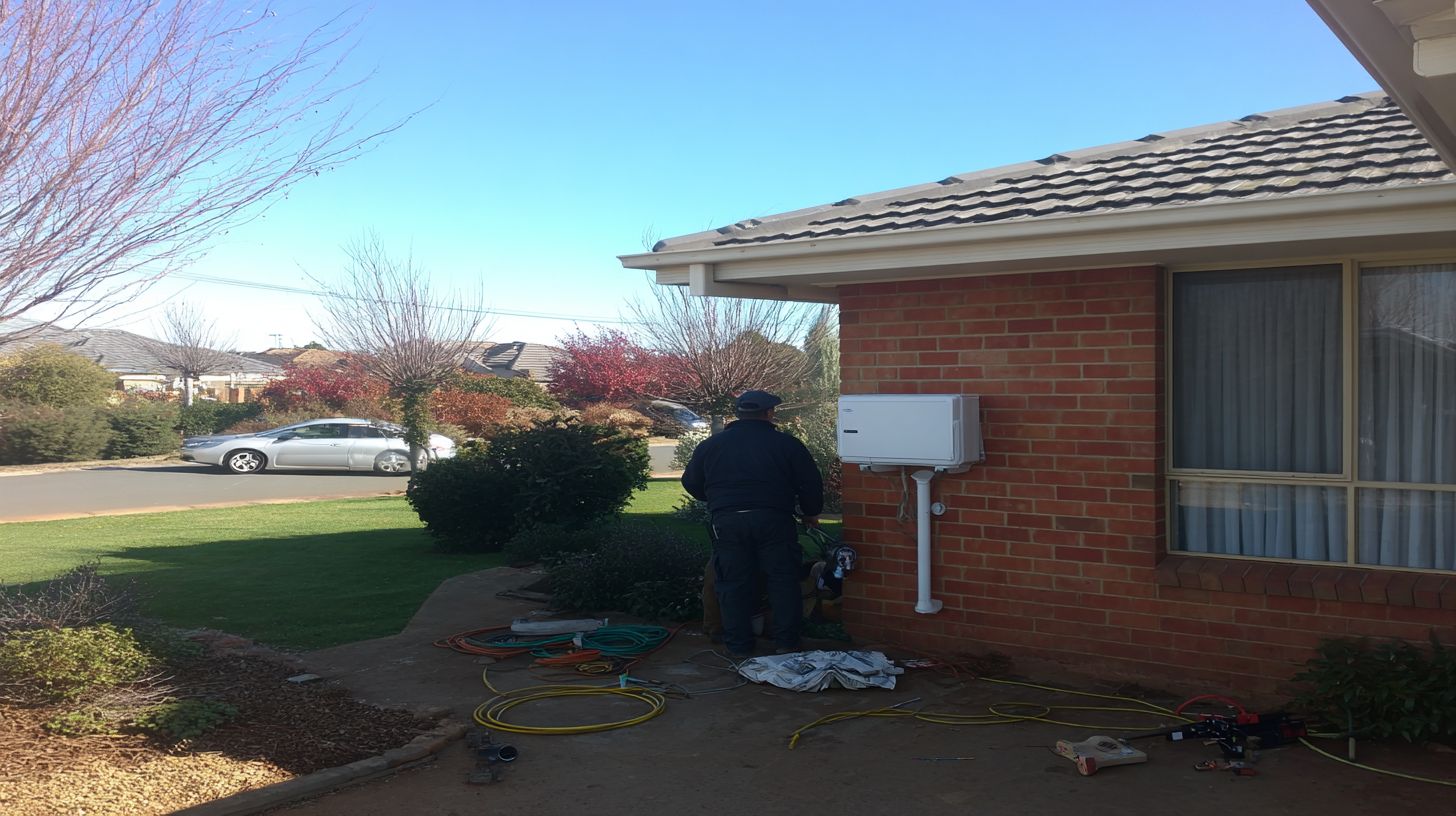
Comfortable indoor temperatures are essential for homes and businesses in Mernda during Victoria’s extreme summers. Selecting the right air conditioning system and ensuring correct installation can make a significant difference to energy efficiency, reliability, and long-term costs. This guide examines professional installation practices, the main system types available, and the steps involved from initial assessment through to final testing and ongoing maintenance.
Why Choose Professional AC Installation in Mernda

Professional AC installation in Mernda reduces equipment failure rates by 67% compared to DIY attempts, according to Australian Refrigeration Council data. This improvement stems from adherence to strict regulatory standards and proper system sizing. Homeowners gain peace of mind when certified installers handle the entire process.
Local regulations require licensed technicians for refrigerant handling under AS/NZS 60335.2.40 and Victorian Building Regulations. Only qualified professionals can legally connect and charge systems with refrigerant gas. DIY attempts often breach these rules and create safety hazards.
Proper cooling load calculations using Manual J methodology prevent oversizing issues that waste energy and reduce equipment lifespan. Experts assess insulation levels, window orientation, and room dimensions before selecting capacity. This approach ensures the system matches actual cooling needs rather than guesswork.
Electrical compliance involves correct circuit breaker installation and RCD protection per AS/NZS 3000 standards. Professional teams verify power supply adequacy and install appropriate safety devices. These steps protect both the equipment and household occupants.
Manufacturer warranty validation requires certified installers for brands like Daikin and Mitsubishi. Installation by licensed technicians keeps coverage intact for parts and labour. DIY work typically voids these protections, leaving owners responsible for repairs.
Insurance coverage remains valid only with documented professional installation. Claims may be rejected if unlicensed work caused damage or failure. Licensed installers provide certificates that satisfy both insurers and building authorities.
Cost comparison shows DIY errors average $2,400 in repairs versus an $890 professional installation premium. The gap becomes larger when factoring in warranty losses and compliance penalties. Certified teams complete work correctly the first time.
Types of Air Conditioning Systems
Mernda properties range from single-storey units to double-storey acreage homes, each requiring different system configurations based on cooling load calculations, insulation assessment, and window orientation factors.
Selecting the appropriate system type depends on property size, with Mernda homes averaging 185m floor area requiring specific BTU ratings.
Local climate conditions influence equipment selection, particularly during summer heatwaves when temperatures climb significantly. Different property layouts demand tailored approaches to achieve consistent temperature regulation throughout living spaces.
Professional assessment helps determine optimal configurations for each home. Certified installers evaluate roof space availability, electrical capacity, and room placement needs before recommending suitable options for Mernda residents.
Split System Units
Split systems deliver 2.5-8.0kW cooling capacity per indoor unit with SEER ratings of 3.5-5.5 for Mernda climate conditions.
These wall mounted air conditioner units provide targeted cooling for individual rooms without extensive ductwork installation. Property owners benefit from straightforward retrofit installation in existing homes where space constraints limit other system types.
| Brand and Model | Capacity and Rating | Best Application | Key Features |
|---|---|---|---|
| Daikin US7 | 2.5-7.1kW range, 5.5 SEER, Wi-Fi enabled | Best for bedrooms | Quiet 19dB operation, higher upfront cost |
| Mitsubishi Electric | 2.5-8.0kW, 4.8 SEER, Plasma filter | Best for allergy sufferers | 10-year compressor warranty, requires compatible outdoor unit |
| Fujitsu ASTG | 2.5-6.0kW, 4.2 SEER, economy mode | Best for small spaces | Slimline design, limited app features |
| LG ArtCool | 3.5-7.0kW, 5.2 SEER, UV nano filter | Best for living areas | Stylish design, premium pricing |
Installation typically requires 4-6 hours per unit when performed by licensed technicians. Electrical compliance checks ensure circuits meet Victorian cooling regulations and Australian standards during each air con installation project.
Ducted Systems
Ducted systems provide whole-home cooling with centralized outdoor units rated 10-24kW for Mernda double-storey properties averaging 3-4 zones.
Roof space assessment requires minimum 400mm clearance for ductwork routing and condensate drainage. Technicians evaluate ceiling space during initial site inspections to confirm adequate room exists for concealed ducting throughout the property.
Zoning control installation incorporates motorized dampers at $380 per zone, enabling independent temperature regulation across living areas, bedrooms, and study spaces. This configuration supports efficient energy use by directing airflow only where cooling is required.
Power supply upgrade assessment covers 25-40 amp circuits with RCD protection for safe operation. ActronAir systems range from $8,500 to $14,000 for 14-20kW inverter models, while Braemar units cost between $7,800 and $12,500 with a 10-year parts warranty included. Outdoor unit operation registers 42-48dB for acreage properties.
Multi-Split Options

Multi-split systems connect 2-5 indoor units to single outdoor units rated 5.0-12.5kW, reducing external condenser placement requirements by 60 percent.
The 2 plus 1 setup suits master bedroom and living area combinations, costing between $4,200 and $5,800. Samsung Wind-Free indoor units at $2,100 pair with 5.0kW outdoor condensers priced at $1,890 for efficient temperature regulation in smaller townhouses.
Three bedroom configurations using a 3 plus 1 setup range from $5,900 to $7,400 with Panasonic Etherea units. Full family homes require 4 plus 1 arrangements costing $7,800 to $9,600, needing 8.0kW or larger outdoor units for adequate cooling capacity across multiple rooms.
These systems suit townhouses with limited outdoor space where individual split systems would demand multiple wall penetrations. Maximum refrigerant line length reaches 25m per indoor unit with 15m elevation difference tolerance, allowing flexible pipework routing during installation.
Pre-Installation Assessment
Pre-installation assessments in Mernda identify 3 critical factors: cooling load requirements averaging 125W/m, existing electrical capacity, and structural mounting points. Local property conditions vary widely across single storey homes and double storey homes. These differences affect final equipment selection for air conditioning installation.
Room-by-room cooling load calculation follows ACCA Manual J methodology. This process considers window orientation where north-facing areas gain additional heat. Insulation R-values and occupancy patterns also influence sizing decisions for reverse cycle air conditioner units.
Electrical inspection reviews main switchboard capacity for circuits requiring RCD protection. Compliance with AS/NZS 3000 remains essential for every air con installation project. Older homes may need circuit breaker upgrades before new equipment connects.
Structural assessment examines wall penetration points and potential condenser placement locations. Concrete pad requirements depend on ground conditions at each Mernda property. Proper placement prevents vibration issues once the outdoor unit operates.
Insulation evaluation uses thermal imaging to locate heat loss areas. Remediation work should finish before final system sizing occurs. This step ensures the selected cooling capacity matches actual building performance.
Quote variables include property age and floor area measurements. Pre-2000 homes typically require additional capacity increases. Solar gain factors from roof orientation also contribute to accurate pricing for air conditioning installation Mernda Vic.
Installation Process
Professional AC installation in Mernda follows a 3-phase process averaging 6-10 hours depending on system complexity and property accessibility.
Air Conditioning Installation Mernda Vic requires coordination between licensed refrigeration mechanics, electricians, and builders. This ensures gas safety certificates, electrical compliance, and building permit requirements are met throughout the northern suburbs growth corridor.
Mernda air conditioning projects involve careful planning to address local building regulations and Australian standards. Certified installers coordinate each stage to maintain system performance and regulatory compliance.
Air con installation services in Mernda Vic integrate multiple technical steps. These steps ensure the final cooling system meets energy efficiency requirements and provides reliable operation during summer months.
Site Preparation
Site preparation involves 5 specific tasks completed within 90-120 minutes before equipment arrival.
Technicians mark wall penetration points using laser levels to create 65-100mm diameter holes. These holes maintain a 15 degree downward angle to support proper condensate drainage away from the indoor unit.
Workers clear a 1.2 square metre footprint for the outdoor condenser. This area requires 600mm clearance from property boundaries according to Victorian planning regulations for estate developments.
Draw-wire installation through wall cavities accommodates refrigerant lines, electrical cables, and condensate drains. Temporary protection sheeting covers flooring and furniture within a 3 metre radius during the process.
Power isolation at the main switchboard follows lockout and tagout procedures. Building permits may be required when external units remain visible from street frontages in Mernda estate developments.
Unit Placement & Mounting

Indoor unit mounting height standards require 2.1-2.4m above floor level with 150mm clearance from ceiling for optimal airflow distribution.
Split system installation uses 5kg-rated wall brackets secured with 4 M8 expansion bolts into brickwork. Alternatively, 12 gauge timber screws attach brackets to wall studs for secure mounting.
Ceiling cassette units require 600x600mm access panels. Four-point suspension using threaded rod and anti-vibration mounts supports the indoor unit weight while reducing noise transmission.
Ducted indoor units need 400mm roof space clearance with condensate pumps rated at 8 litres per hour capacity. Outdoor units mount on 100mm concrete pads with vibration dampeners to minimise noise transmission by approximately 8dB.
Airflow optimization directs cooling away from beds with a minimum 2 metre distance. Temperature sensors maintain accuracy when positioned away from direct airflow and seating areas.
Electrical & Refrigerant Connections
Electrical connections require dedicated circuits with 20-40 amp circuit breakers and RCD protection rated 30mA per AS/NZS 3000 wiring rules.
Electrical work involves 4 square millimetre TPS cable runs for units up to 5kW. Systems between 5-10kW require 6 square millimetre cable terminating at IP65-rated isolators within 1 metre of outdoor units.
Refrigerant connections use quarter inch liquid lines and three eighths to five eighths inch gas lines. Nitrogen pressure testing at 500psi for 30 minutes detects leaks below 0.5 grams per year.
Vacuum evacuation reaches 500 microns before charging with R32 or R410A refrigerant according to manufacturer specifications. Commissioning tests verify electrical current draw within 10 percent of nameplate ratings.
Airflow balancing uses anemometer readings while system pressure checks measure 120-140psi suction during cooling mode operation. These tests confirm proper function before handover to property owners.
Post-Installation Testing & Handover
Post-installation testing verifies system performance within 15% of design cooling capacity with documented handover procedures. This process ensures your new air conditioning installation meets operational standards before technicians complete the job. Proper verification protects both system efficiency and long-term reliability for Mernda homeowners.
Technicians follow a structured approach to confirm every component functions correctly. This methodical process identifies any issues before they affect comfort levels or energy consumption. Local air conditioner installers understand the importance of thorough testing in Melbourne northern suburbs conditions.
Residents benefit from knowing their cooling system operates at peak performance from day one. Documentation provides a clear record of system status at handover time. This foundation supports ongoing maintenance and warranty claims when needed.
Professional installers complete each verification step before leaving the property. They address any concerns immediately during this final phase. Clear communication ensures homeowners understand their new climate control system operation.
Temperature differential testing measures the temperature drop across indoor coils. Technicians check for an 8-12 degree Celsius difference between return and supply air streams. This confirms the evaporator coil removes heat effectively from indoor spaces.
Proper temperature differential indicates correct refrigerant flow and coil function. Deviations may signal issues with airflow or charge levels requiring adjustment. This test forms the foundation of performance verification for reverse cycle air conditioner systems.
Electrical load testing confirms running current stays within manufacturer specifications. Licensed technicians measure amperage draw under normal operating conditions. Compliance ensures the circuit handles system demands safely and efficiently.
Accurate electrical verification prevents tripped breakers and protects connected equipment. This step confirms compliance with Australian standards and building regulations. Proper load assessment supports safe operation throughout the system’s lifespan.
Refrigerant charge verification uses superheat and subcooling methods for non-inverter systems. Correct charge levels ensure optimal heat transfer and compressor protection. This measurement prevents efficiency losses and premature component wear.
Technicians adjust refrigerant amounts based on these readings when necessary. Proper charge supports both cooling performance and energy efficiency ratings. Accurate verification protects warranty coverage for Mernda air conditioning systems.
Airflow measurement with a hot-wire anemometer confirms velocities between 0.3-0.5 metres per second at diffusers. Balanced airflow ensures even temperature distribution throughout conditioned spaces. This step identifies ductwork restrictions or damper positioning issues.
Proper airflow supports both comfort levels and system efficiency. Technicians adjust registers and dampers to achieve target velocities. Correct measurement prevents hot or cold spots in residential air conditioning applications.
Control system testing verifies remote operation, Wi-Fi connectivity, and zoning damper functionality. Technicians confirm all user interfaces respond correctly to commands. This includes checking smart features and temperature sensor accuracy across zones.
Complete control verification ensures homeowners can manage their system effectively. Zoning functionality allows targeted cooling for different areas of the property. Proper setup supports energy savings through selective zone operation.
Noise level verification confirms outdoor units operate below 52 decibels and indoor units below 35 decibels at one metre distance. Quiet operation protects neighbourhood amenity and indoor comfort. These measurements meet Victorian cooling regulations and Australian standards.
Sound testing identifies any unusual vibrations or mechanical issues. Proper noise levels support customer satisfaction with the installation. Low noise performance remains important for residential air conditioning in established suburbs.
The handover package includes a laminated quick-start guide for daily operation. This reference helps homeowners manage basic functions and settings without confusion. Clear instructions reduce support calls during the initial adjustment period.
Warranty registration cards document five-year parts coverage and ten-year compressor protection. These documents establish the official start date for warranty terms. Proper registration ensures coverage remains valid throughout the warranty period.
The maintenance schedule outlines recommended service intervals for optimal performance. Regular maintenance protects efficiency and extends equipment lifespan. Following this schedule supports warranty conditions and system reliability.
Twenty-four hour emergency service contact provides support for Mernda northern suburbs coverage. Local technicians respond promptly to urgent issues outside normal business hours. This assurance gives homeowners peace of mind during extreme weather events.
Maintenance & Warranty Considerations
Manufacturer warranties require annual professional servicing to maintain 5-year parts and 10-year compressor coverage on Daikin, Mitsubishi, and ActronAir systems. Air Conditioning Installation Mernda Vic providers emphasize this requirement because neglect leads to denied claims. Regular attention protects your investment.
Owners must perform quarterly filter cleaning themselves. Licensed technicians handle annual coil cleaning and refrigerant checks at typical costs between $180-280 per visit. These checks keep systems running efficiently throughout Melbourne’s temperature swings.
Power surges, poor drainage, and unauthorized changes void coverage entirely. Mernda air con service teams document every inspection to protect against future disputes. Documentation proves compliance when warranty issues arise.
Local technicians understand Victorian cooling regulations and Australian standards. Their knowledge ensures every service meets AS/NZS compliance requirements without unnecessary delays.
Basic maintenance plans cost $380 yearly and include two visits with priority booking. Premium plans at $590 add 24-hour callout access plus parts discounts. Many households choose based on property size and usage patterns.
Ten-year labor coverage extends protection for an additional $290 at installation time. This option transfers to new owners if you sell your property later. Extended coverage reduces long-term ownership costs significantly.
Mernda postcode residents receive same-day emergency response from technicians. Stocked parts for Daikin, Mitsubishi, Fujitsu, and Samsung brands speed up repairs. Quick access matters during heatwaves when systems work hardest.
Professional installation services come with clear warranty terms explained upfront. Mernda HVAC specialists review these conditions during site inspections to avoid surprises later. Clear communication prevents misunderstandings about coverage limits.
Frequently Asked Questions

What are the benefits of professional Air Conditioning Installation Mernda Vic?
Professional Air Conditioning Installation Mernda Vic ensures optimal performance, energy efficiency, and longevity of your cooling system tailored to the local Melbourne climate.
How long does Air Conditioning Installation Mernda Vic typically take?
Air Conditioning Installation Mernda Vic usually takes between 4 to 8 hours depending on the complexity and type of unit being installed in your home.
What factors affect the cost of Air Conditioning Installation Mernda Vic?
The cost of Air Conditioning Installation Mernda Vic varies based on the size of your property, system type, and any required ductwork or electrical upgrades.
Is Air Conditioning Installation Mernda Vic suitable for new homes?
Yes, Air Conditioning Installation Mernda Vic is ideal for new constructions, allowing customised cooling solutions that integrate seamlessly during the build process.
Do I need maintenance after Air Conditioning Installation Mernda Vic?
Regular maintenance is essential after Air Conditioning Installation Mernda Vic to maintain efficiency, prevent issues, and extend the lifespan of your unit.
Why hire local experts for Air Conditioning Installation Mernda Vic?
Local experts for Air Conditioning Installation Mernda Vic understand Victorian regulations, Mernda-specific weather patterns, and provide reliable ongoing support.